

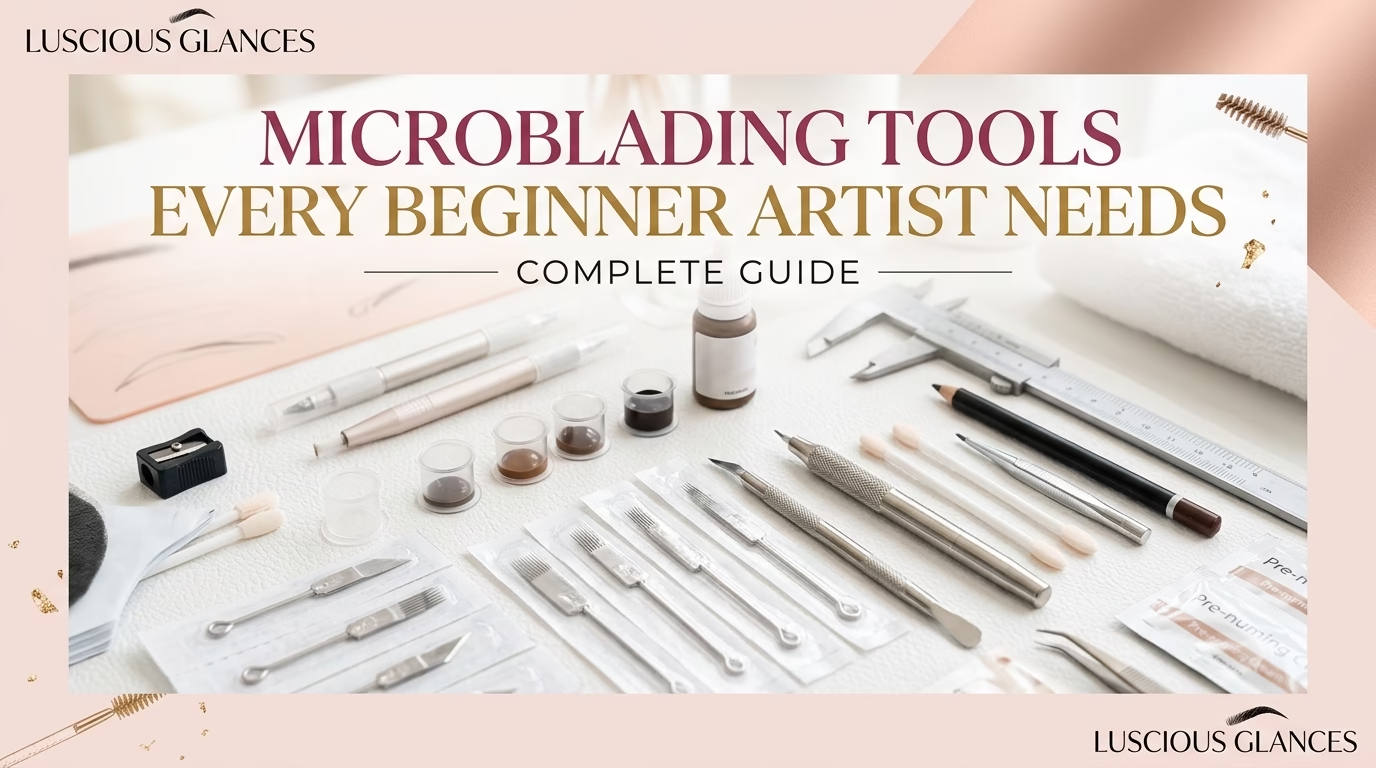
Microblading Tools Every Beginner Artist Needs
Starting your microblading journey can feel overwhelming when you see the wide range of tools and supplies available. The good news is that beginners do not need to purchase every product at once. A carefully selected set of microblading tools can help you practice efficiently, maintain better control, and build confidence as you develop your technique.
Whether you are learning brow mapping, practicing strokes, or preparing for professional work, choosing reliable tools is an important part of your setup. In this guide, we will cover the essential microblading tools every beginner artist needs and explain what each tool is used for.
1. Microblading Pen
A microblading pen is one of the most important tools in a beginner’s kit. It provides the grip and control needed for creating precise brow strokes during practice and professional procedures.
Look for a pen that is:
- Comfortable to hold
- Lightweight
- Easy to control
- Designed for precise movements
- Suitable for your preferred blade configuration
A comfortable grip can make a significant difference when you are practicing detailed brow work.
2. Microblading Blades
Microblading blades are used with a manual hand tool to create fine hair-like strokes. Different blade configurations are available for different techniques and stroke patterns.
Beginners should understand that blade selection depends on factors such as:
- Desired stroke style
- Skin characteristics
- Brow design
- Technique being practiced
- Artist experience
Always use sterile, single-use blades for procedures and follow applicable safety and disposal requirements.
3. Brow Mapping Ruler
Before creating brow strokes, proper brow mapping is essential. A microblading ruler or brow mapping ruler helps artists measure and mark important reference points.
A mapping ruler can help you identify:
- Brow starting point
- Brow arch
- Brow tail
- Brow symmetry
- Overall brow proportions
Good mapping can make the final brow design more balanced and consistent.
4. Microblading Mapping String
Mapping string is another useful tool for creating symmetrical brow designs. It can be used together with a mapping ruler and mapping pencil to establish clear guidelines.
For beginners, mapping tools are especially useful because they help develop an understanding of brow proportions before working on actual procedures.
5. Mapping Pencil
A high-quality microblading mapping pencil allows you to create visible guidelines before beginning the procedure.
Choose a pencil that provides:
- Clear visibility
- Precise lines
- Easy application
- Suitable contrast against the skin
- Good control during brow mapping
Practice creating the same brow shape on both sides so you can improve your symmetry skills.
6. Measuring Caliper
A measuring caliper can provide another level of precision during brow mapping. It helps compare measurements between the left and right brows and can be particularly useful when learning brow symmetry.
Although experienced artists may develop strong visual measurement skills, beginners can benefit from using measuring tools while building their technique.
7. Practice Skin
One of the most important supplies for a beginner is microblading practice skin.
Practice skins allow you to work on:
- Basic strokes
- Pressure control
- Stroke direction
- Brow patterns
- Shading techniques
- Hand movement
- Different brow designs
Practicing on synthetic skin before working with clients can help you become more familiar with your tools and technique.
8. Pigment Cups
Pigment cups provide a small, convenient container for holding pigment during practice or procedures.
They should be placed in a clean and organized workspace so the artist can access the required pigment without unnecessary movement.
Always follow appropriate hygiene and infection-control procedures when handling pigments and other consumables.
9. Pigment Mixer
A microblading pigment mixer can be useful when pigments need to be thoroughly mixed before application. Consistent pigment preparation is an important part of maintaining predictable results.
A small pigment mixer can be particularly useful for artists who work with multiple pigment shades.
10. Microblading Pigments
Pigments are obviously an essential part of microblading, but beginners should avoid selecting shades only because they look attractive in the bottle.
Pigment selection should consider factors such as:
- Natural brow color
- Hair color
- Skin characteristics
- Desired healed result
- Technique
- Manufacturer recommendations
Beginners should learn proper pigment theory and follow the manufacturer’s instructions for the specific pigments they use.
11. Brow Brush
A small brow brush is useful for cleaning, arranging, and checking the brow area during the design process.
It can also help you visualize the natural direction of brow hairs before creating your mapping design.
A disposable or properly sanitized brush should be used according to your hygiene protocol.
12. Cotton Swabs and Microbuds
Microbuds and cotton swabs are simple but useful additions to a microblading workstation.
They can help with:
- Cleaning small areas
- Removing excess product
- Maintaining a neat working area
- Making small corrections during mapping
Because they are inexpensive, it is practical to keep an adequate supply available.
13. Disposable Gloves
Disposable gloves are an essential part of a professional microblading setup. They help maintain appropriate hygiene and reduce the risk of cross-contamination.
Use gloves according to your local infection-control requirements, change them whenever necessary, and avoid touching unrelated objects with contaminated gloves.
14. Protective and Disposable Supplies
A beginner should also have suitable disposable supplies for maintaining a clean workspace.
Depending on your setup, this can include:
- Disposable bed covers
- Protective sheets
- Disposable applicators
- Barrier film
- Tissue
- Disposable pigment cups
- Sharps disposal container
Good preparation helps keep the workstation organized and supports safe working practices.
15. Blade Disposal Container
Used blades must never be thrown into ordinary waste. A suitable sharps container should be available for safe disposal.
This is one of the most important safety considerations for any artist working with microblading blades.
Always follow your local regulations for the disposal of sharps and contaminated materials.
16. Microblading Tool Holder or Tray
Organization is especially important when you are learning. A tool holder or clean workstation tray allows you to keep frequently used tools within reach while maintaining separation between clean and used items.
An organized workstation can also make your workflow more efficient.
17. Practice Marker
A suitable practice marker can help beginners create brow outlines and guidelines while working on practice skin.
Practicing different brow shapes is a useful way to understand how mapping affects the overall appearance of the brows.
How to Choose Microblading Tools as a Beginner
When building your first kit, focus on quality, safety, precision, and usability rather than simply buying the largest number of products.
Consider these factors:
Quality
Choose tools that are designed specifically for microblading and brow work. Reliable tools can provide better control and consistency during practice.
Comfort
You may spend a considerable amount of time holding your microblading pen. A comfortable grip can help reduce hand fatigue.
Precision
Mapping rulers, calipers, quality pens, and suitable blades can help you develop more precise techniques.
Hygiene
Disposable and sterile supplies are essential for professional procedures. Follow appropriate infection-control practices and manufacturer instructions.
Beginner-Friendly Setup
You do not need dozens of products to start learning. Begin with the essential tools and gradually expand your kit as your skills develop.
Beginner Microblading Tool Checklist
Here is a simple checklist you can use when preparing your first microblading kit:
| Tool | Purpose |
|---|---|
| Microblading Pen | Precise manual brow work |
| Microblading Blades | Creating fine strokes |
| Mapping Ruler | Brow measurement |
| Mapping String | Brow symmetry |
| Mapping Pencil | Creating guidelines |
| Measuring Caliper | Checking proportions |
| Practice Skin | Technique practice |
| Pigment Cups | Holding pigment |
| Pigment Mixer | Mixing pigments |
| Microblading Pigments | Brow color work |
| Brow Brush | Brow preparation and grooming |
| Microbuds | Detailed cleaning |
| Disposable Gloves | Hygiene |
| Sharps Container | Safe blade disposal |
| Disposable Supplies | Workspace protection |
Common Mistakes Beginners Should Avoid
Buying Too Many Tools
Having more products does not automatically make you a better artist. Learn to use your essential tools properly before expanding your collection.
Ignoring Brow Mapping
Good mapping creates the foundation for the entire brow design. Spend time practicing symmetry and proportions.
Practicing Only Once
Microblading requires controlled hand movements. Regular practice on suitable practice skin can help you become more comfortable with your tools.
Using Poor-Quality Consumables
Low-quality or inappropriate tools can make learning more difficult. Select products designed for their intended purpose and follow safety instructions.
Forgetting Workspace Organization
An organized workstation makes it easier to maintain a consistent workflow and avoid unnecessary contamination.
Build Your Microblading Kit Step by Step
If you are just starting, you can build your kit in stages.
Stage 1 – Basic Practice
Start with a microblading pen, practice skin, mapping tools, and suitable practice supplies.
Stage 2 – Technique Development
Add different blade configurations and additional practice materials as you learn different stroke patterns.
Stage 3 – Professional Setup
Once properly trained and ready to work professionally, build a complete workstation with pigments, disposable supplies, PPE, sanitation equipment, and compliant sharps disposal.
Final Thoughts
Having the right microblading tools for beginners can make learning more organized and productive. A good starter kit does not need to be complicated. Focus on essential equipment such as a quality microblading pen, suitable blades, brow mapping tools, practice skin, pigments, microbuds, and appropriate disposable supplies.
For beginners, the most important investment is not simply the number of tools in the kit—it is learning how to use each tool correctly, safely, and consistently. With regular practice, proper training, and a well-organized workstation, you can gradually develop the precision and confidence needed for professional brow work.
Luscious Glances offers a range of microblading supplies including microblading rulers, marker pens, blades, practice skin, and pigment mixers, making it easier to build your essential microblading toolkit in one place.

 luscious glances with model](https://lusciousglances.in/wp-content/uploads/2026/10/Gemini_Generated_Image_qwewisqwewisqwew-300x173.avif)