Understanding Eyelash Extension Adhesives
Eyelash extension adhesives are a crucial component of the lash extension process, playing a fundamental role in the durability and quality of the finished look. These adhesives are specifically formulated to bond the extension to the natural lash, ensuring longevity and aesthetic appeal. Typically, eyelash extension glues are made from cyanoacrylate, a fast-drying adhesive commonly utilized in various medical and cosmetic applications. Understanding the composition and functionality of these adhesives is vital for lash technicians seeking to provide the best results for their clients.
There are several types of eyelash extension adhesives available on the market, each designed to meet different application needs and client sensitivities. The three primary categories are sensitive adhesives, regular adhesives, and volume adhesives. Sensitive adhesives are formulated for clients who might experience irritation from standard formulations, typically containing lower levels of fumes and allergens. Regular adhesives are the most commonly used options, offering a strong bond suitable for most clients. They are characterized by their balanced drying time and flexibility, making them versatile for a variety of lash styles.
Volume adhesives are specially designed for volume lash extensions, where multiple lashes are applied to a single natural lash. These adhesives often exhibit a fast drying time to facilitate the rapid application of the multiple strands without compromising the individual lashes’ integrity. Key characteristics to consider when selecting an eyelash extension adhesive include drying time, flexibility, and strength. A shorter drying time is essential for efficient application, while flexibility ensures the adhesive can move with the natural lashes without causing breakage. Strength is crucial for maintaining the lash extensions throughout their lifecycle.
Key Factors to Consider When Choosing Glue
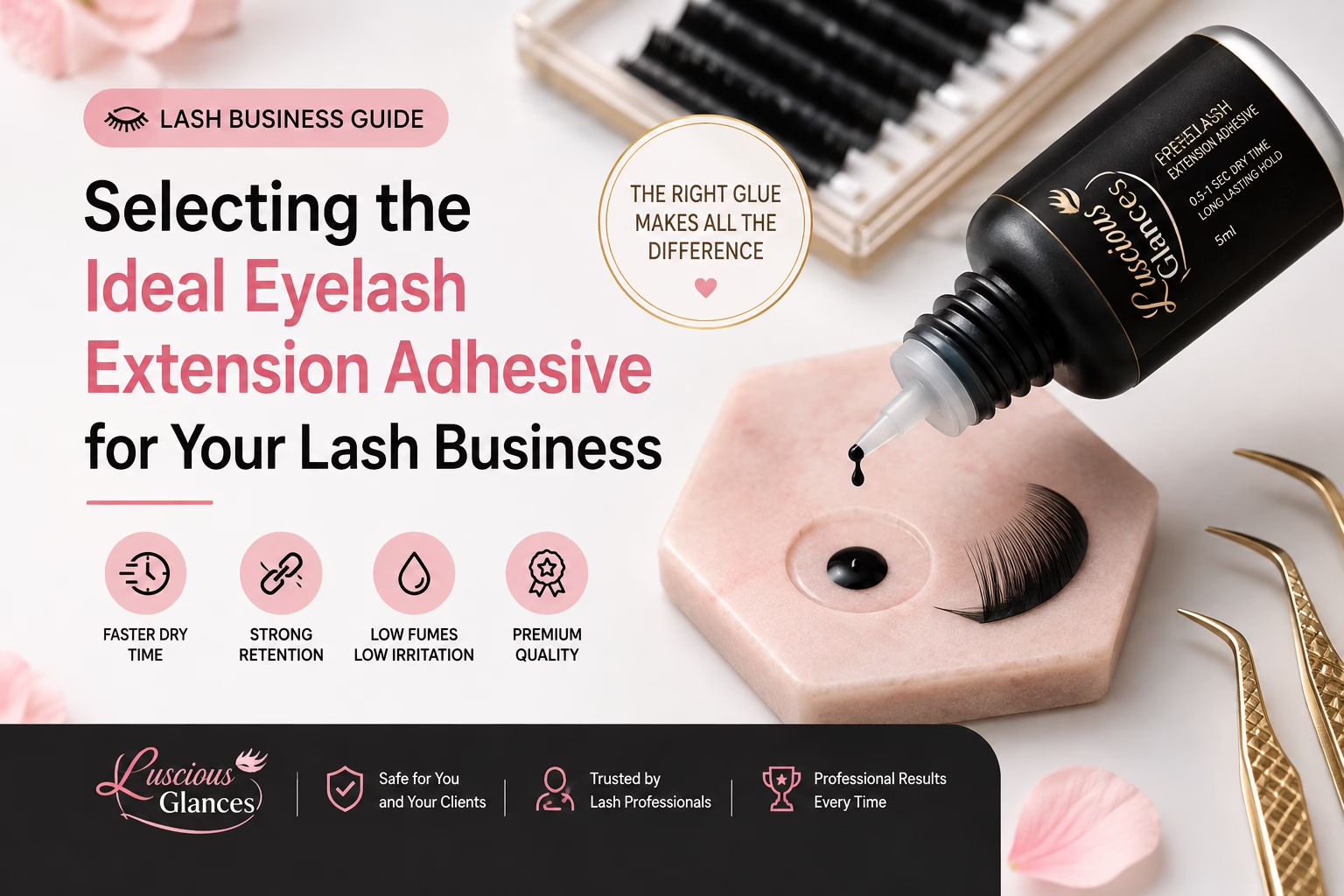
When it comes to selecting an eyelash extension adhesive, several key factors must be taken into account to ensure the best results for both the lash technician and the client. Firstly, the bonding time is critical; a faster bonding time may lead to a more efficient application, allowing for quicker appointments without compromising quality. However, technicians must balance the need for speed with adequate curing time to prevent premature lash shedding.
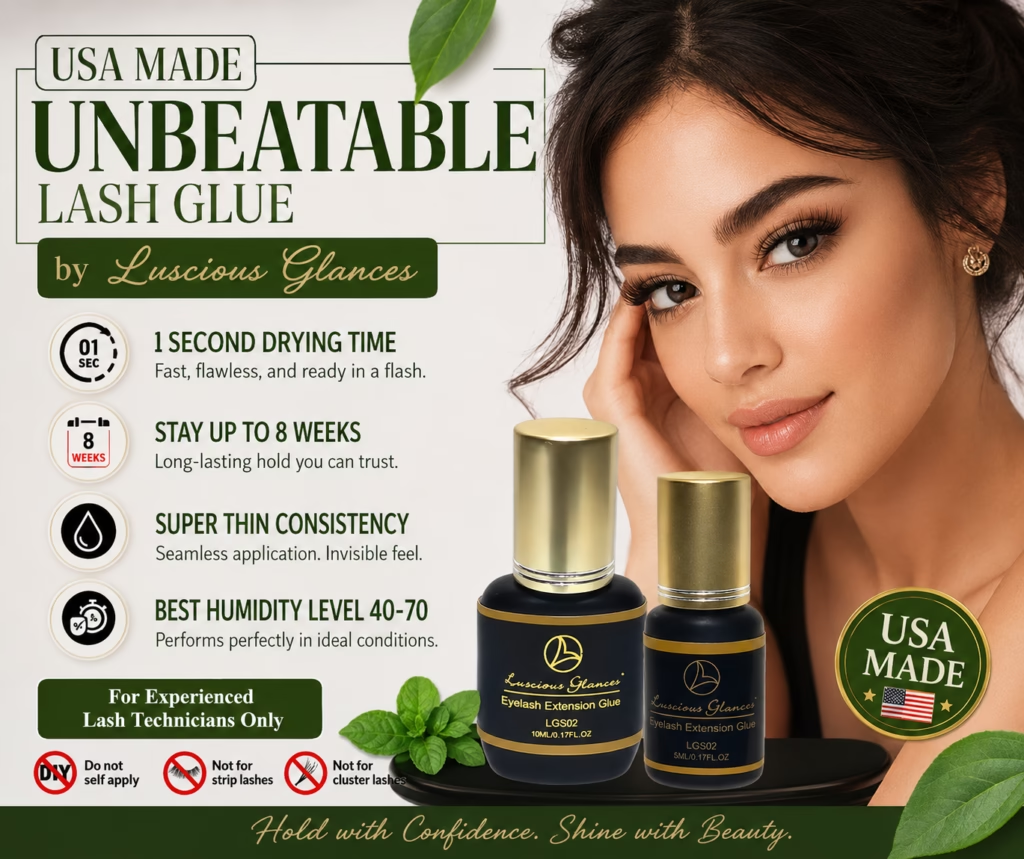
Another important factor is the compatibility of the adhesive with environmental conditions, particularly humidity and temperature. Different adhesives perform optimally within specific ranges of humidity and temperature. For instance, high humidity levels may adversely affect some glues, causing them to soften, while low humidity may prolong curing times. Understanding these parameters is essential to maintain the integrity of the lash extensions throughout their wear.
The lifespan of the adhesive also plays a significant role in client satisfaction. An ideal eyelash extension adhesive should not only ensure strong and lasting bonds but also maintain flexibility and sheen once cured. This aspect directly impacts how long clients can enjoy their lash extensions before needing a fill or a touch-up, thereby affecting retention rates and overall satisfaction.
Additionally, allergen potential should not be overlooked. Some clients may be sensitive to specific ingredients often found in adhesives. Thorough research and selection of hypoallergenic eyelash extension glues can help prevent adverse reactions, thus ensuring client safety and comfort. By prioritizing these critical factors when choosing glue for your lash business, you can enhance the overall customer experience and foster long-term loyalty.
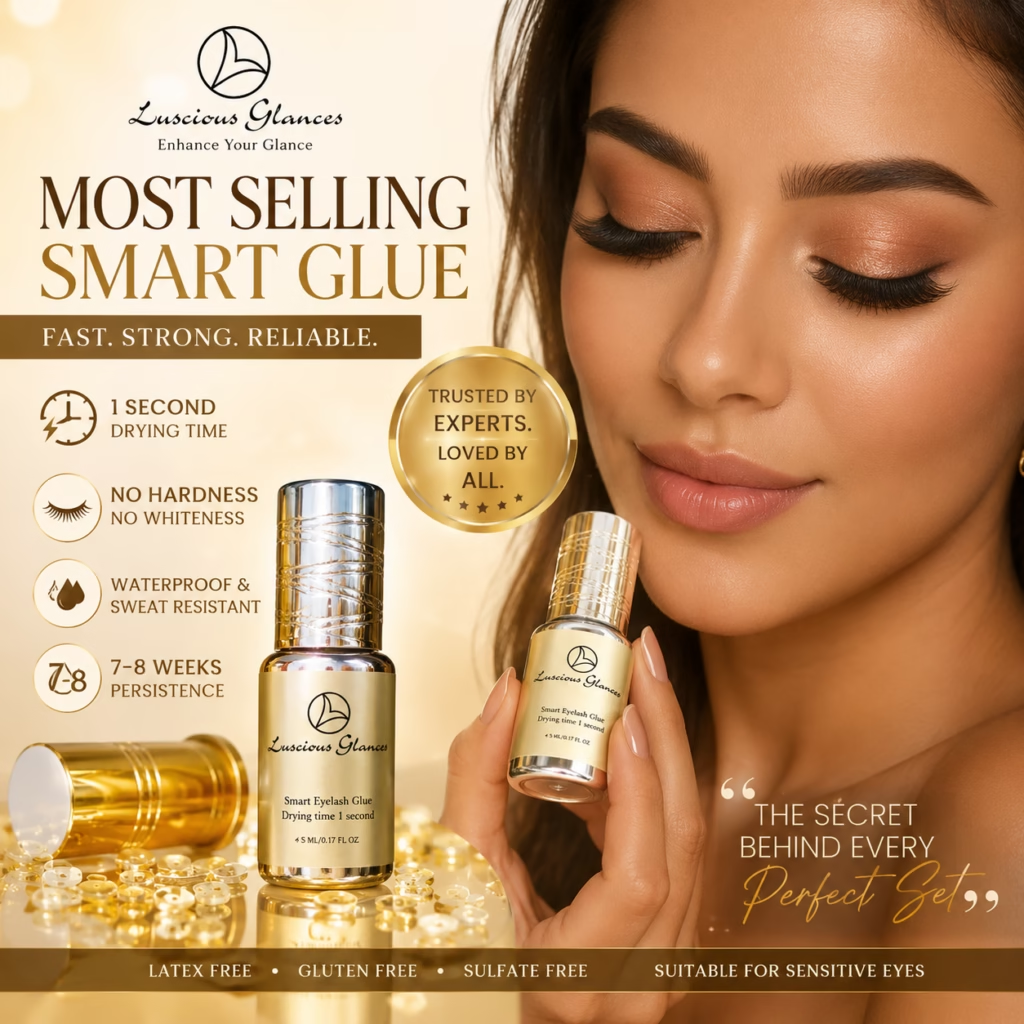
Safety and Health Regulations for Adhesives
When selecting eyelash extension adhesives, it is critical to prioritize safety and compliance with health regulations. Adhesives used in the beauty industry, particularly for eyelash extensions, must meet stringent guidelines to ensure the well-being of both technicians and clients. The primary concern when choosing an adhesive should be its chemical composition and potential health risks associated with its use.
Manufacturers must adhere to specific health regulations set forth by organizations such as the Food and Drug Administration (FDA) in the United States and equivalent regulatory bodies globally. These organizations provide guidelines that help ensure eyelash adhesives are safe, effective, and manufactured to high standards. When choosing adhesives for your salon, verify whether the products in question have undergone safety assessments to meet industry standards.
In addition to federal guidelines, it is advisable to seek adhesives that are certified by reputable professional organizations. These certifications signify that the product has passed rigorous testing and meets established safety standards. Look for labels indicating compliance with standards set by the ISO (International Organization for Standardization) or similar organizations, which monitor product safety in beauty supplies.
Moreover, it is essential to select non-toxic and hypoallergenic adhesives whenever possible. Such products minimize the risk of adverse reactions among clients, thus fostering a safer salon environment. Technicians should also ensure that all adhesives are free from harmful ingredients, such as formaldehyde and other irritants, which might pose health risks during application.
To summarize, adhering to safety and health regulations is crucial when selecting eyelash extension adhesives. By prioritizing products that are certified and comply with established guidelines, salon owners can help ensure the safety of both their clients and themselves, creating a healthy working atmosphere while delivering excellent service.
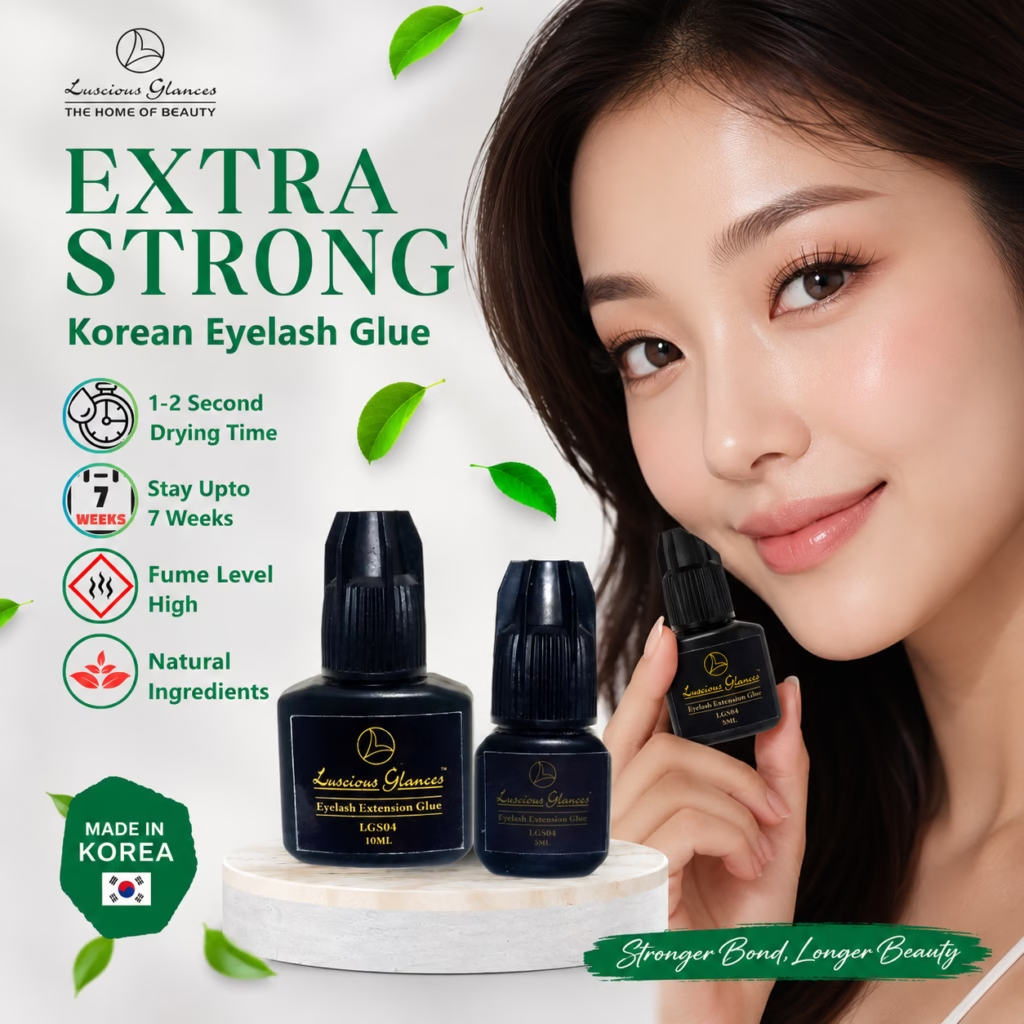
Tips for Testing and Purchasing Eyelash Extension Glue
When selecting eyelash extension glue, it is crucial to undertake a comprehensive testing process to ascertain which product best suits your business’s needs. The performance of the adhesive can significantly impact both the application experience and the longevity of extensions. Therefore, effective methods for evaluating different eyelash extension glues are essential.
One of the first steps is to perform patch tests with various glues. This involves applying a small amount of the adhesive on a client’s skin, preferably behind the ear or on the inner wrist, to check for any allergic reactions. Allow at least 24 hours to gauge any adverse response. This practice is vital, as it ensures the selected glue will not cause discomfort or complications during treatments.
During application, closely monitor the glue’s performance. Observe its drying time, flexibility after application, and how well it holds extensions in place over time. An ideal eyelash extension glue should dry quickly—between 1 to 5 seconds—yet allow for slight adjustments during application to ensure precision. If possible, conduct a trial with several clients, noting their feedback on comfort and longevity of the extensions.
It is also advisable to seek recommendations from trusted suppliers or brands known for their high-quality adhesive products. Reputable suppliers often provide detailed specifications about their glues, including ingredients and shelf lives, which can help in making an informed choice. Some popular brands within the industry have established a reputation for their reliable and durable adhesives.
Networking with other beauty professionals can further enhance your understanding and experience with eyelash extension adhesives. Engaging in professional events or online forums can provide insights into which products have worked well for others, allowing you to make choices backed by collective experiences. Collaboration and communication within the beauty community are invaluable for discovering high-quality adhesives tailored to your unique needs.

 luscious glances with model](https://lusciousglances.in/wp-content/uploads/2026/10/Gemini_Generated_Image_qwewisqwewisqwew-300x173.avif)
Great article, thanks for sharing! For GPT Image 2 generate and edit I recommend Luna Lisa Alpha: . Luna Lisa Alpha