

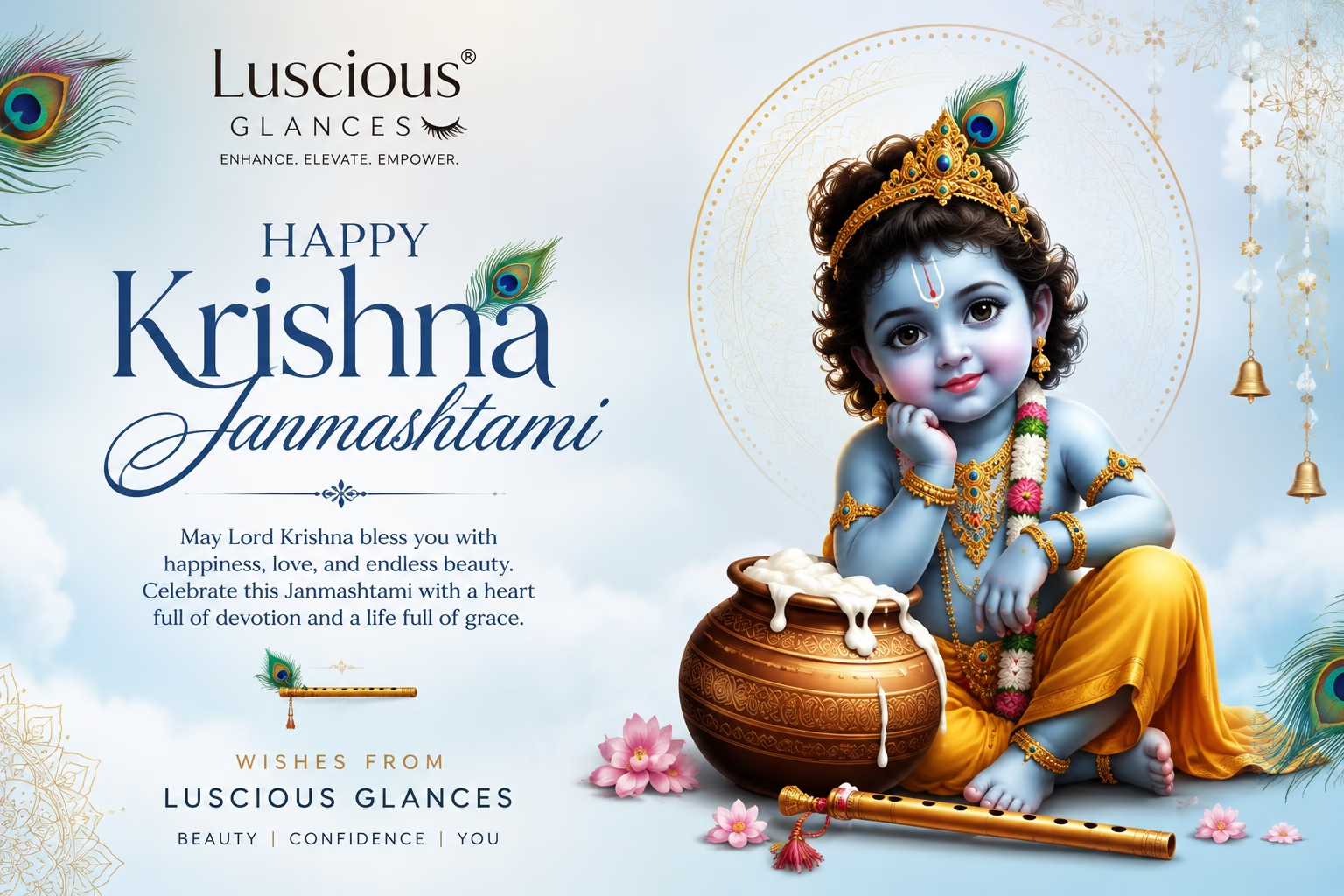
Understanding Krishna Janmashtami
Krishna Janmashtami, celebrated as the birth anniversary of Lord Krishna, holds profound significance in Hindu culture and religious practices. Rooted in ancient texts, this festival honors the divine incarnation of Krishna, who is considered the eighth avatar of Vishnu. The celebration typically falls on the eighth day of the dark fortnight in the month of Bhadrapada, which usually corresponds to August or September in the Gregorian calendar.
The origins of Krishna Janmashtami are deeply intertwined with various mythological stories, most notably those chronicled in the Bhagavata Purana and Mahabharata. According to these narratives, Krishna was born in a prison cell in Mathura to Vasudeva and Devaki, amidst significant celestial phenomena. His birth was marked by miraculous events, as the tyrant King Kansa, if driven by a prophecy, sought to eliminate him due to the threat he posed to his rule.
Beyond the rich mythology, Krishna Janmashtami is a time for joy, devotion, and community gatherings. The religious importance of this festival is reflected in various cultural traditions such as singing bhajans (devotional songs), enacting plays that depict stories from Krishna’s life (known as Ras Lila), and fasting until midnight—the moment of Krishna’s birth. Temples and homes are adorned with flowers and lights, creating a vibrant atmosphere that embodies the spirit of festivity.
Different regions in India and across the globe celebrate Janmashtami in unique ways. For instance, in Maharashtra, people participate in the formation of human pyramids to break pots filled with curd—a tradition known as Dahi Handi. In other areas like Vrindavan and Mathura, grand processions and dramatic reenactments occur, drawing thousands of devotees. This diversity enriches the festival, showcasing how it transcends geographical and cultural boundaries, while also reinforcing communal bonds through shared rituals and celebrations.
Traditional Celebrations and Customs
Krishna Janmashtami, the celebration of the birth of Lord Krishna, is marked with a variety of customs and rituals that reflect the rich cultural heritage of India. One of the most significant aspects of the festival is fasting, observed by many devotees as a form of penance and spiritual purification. People typically refrain from eating grains and opt for light meals that include fruits and milk products. This act not only reflects devotion but also prepares the body for the night of celebrations ahead.
Another essential ritual is the night vigil, where devotees stay awake to commemorate the moment of Lord Krishna’s birth. Many take this opportunity to engage in prayer and meditation, dedicating the night to singing bhajans and kirtans—devotional songs that praise Lord Krishna. These songs, often accompanied by traditional instruments, create a vibrant and spiritual atmosphere in homes and temples alike, energizing participants and strengthening their communal bonds.
Reenactments of Krishna’s life are also a cherished aspect of Janmashtami celebrations. Communities organize plays, known as “Rasleela,” which depict the enchanting tales of Krishna’s youth, including his playful encounters with the gopis (milkmaids). These performances are not only entertaining but serve to educate younger generations about Krishna’s ideals and teachings.
In addition to these activities, the Dahi Handi festivities stand out as a unique custom associated with Krishna Janmashtami, especially in Maharashtra. This involves a group of participants, often known as ‘Govindas,’ forming human pyramids to reach a pot filled with curd, symbolizing Krishna’s love for butter and his mischievous nature. The excitement surrounding this event showcases community spirit and friendly rivalry among participants.
Across various regions, these customs may differ slightly, often blending with local traditions. However, the underlying devotion remains unchanged, signifying the universal appeal of Lord Krishna’s teachings and their relevance to all devotees who participate in the joyous celebrations of Krishna Janmashtami.
Delicious Festive Foods for Janmashtami
Krishna Janmashtami is not just a day of festivities and celebrations; it is also a time to indulge in an array of delectable foods that hold significant meaning in the context of the celebration. Every dish prepared during this festival is steeped in cultural importance and reflects the culinary traditions associated with Lord Krishna. Various sweets and savory items are meticulously crafted as offerings, reverberating joy and devotion.
Among the many traditional dishes, one of the most beloved is ‘Makaranda,’ a type of sweet made from milk and jaggery, often flavored with cardamom. This sweet symbolizes the nurturing aspect of Lord Krishna, representing his childhood and the joy he brought to his mother, Yashoda. Preparing Makaranda requires only a few ingredients and can serve as an excellent introduction for novice cooks who wish to partake in the festivities.
Besides sweets, savory dishes are also pivotal during Janmashtami. A staple is ‘Aloo Pakoras,’ which are spiced potato fritters that are often enjoyed as a snack throughout the day. The crunchiness and the vibrant taste make them an instant favorite among guests and families alike. Another popular dish is ‘Puri,’ which is typically served with a variety of sides, enhancing the festive atmosphere. The combination of these dishes creates a wholesome meal that honors the spirit of the occasion.
For those preparing a feast at home, it is essential to maintain the authenticity of the recipes. Using fresh ingredients and traditional cooking techniques can transport everyone to the roots of Krishna Janmashtami celebrations. It might also be beneficial to involve family members in the cooking process, turning it into a joyful activity that cultivates togetherness and warmth.
In conclusion, the variety of dishes prepared for Krishna Janmashtami not only delights the palate but also serves as a means to express love and devotion towards Lord Krishna. Engaging in these culinary traditions binds families together and fosters a sense of community during this auspicious occasion.
The Spirit of Love and Devotion in Celebration
Krishna Janmashtami, the celebration of Lord Krishna’s birth, extends beyond mere festivities; it encapsulates profound themes of love, devotion, and joy that resonate deeply within the hearts of devotees. These values are woven intricately into the fabric of the festival, with each ritual and tradition exemplifying an unwavering commitment to spiritual growth and community bonding. As participants engage in singing, dancing, and participating in rituals, they embody the essence of devotion that Lord Krishna represents.
The festival serves as a reminder of the unconditional love that exists in the universe. Devotees often express their admiration through various forms of artistic expression, including dance, music, and theatrical performances that recount the life and deeds of Krishna. Such activities not only foster a sense of communal spirit but also reflect the joy of the divine presence in every individual’s life. This joy, derived from devotion, encourages followers to embrace the virtues of kindness, compassion, and love, which are essential to holistic living.
Moreover, celebrating Janmashtami prompts devotees to incorporate these values into their daily lives. The mere act of performing puja and engaging in festive activities lays the foundation for a lifestyle centered around mindfulness and gratitude. By aligning their thoughts and actions with the teachings of Krishna, individuals can navigate their daily challenges with grace and resilience. Thus, the festival not only celebrates the birth of a deity but also acts as a catalyst for personal transformation.
In conclusion, the celebration of Krishna Janmashtami embodies a spirit of love and devotion that transcends the festivities, inviting individuals to reflect on their spiritual path. By embracing the values exemplified during this period, one can cultivate a life filled with joy and meaningful connections that extend beyond the festival, enriching both the individual and the community as a whole.