

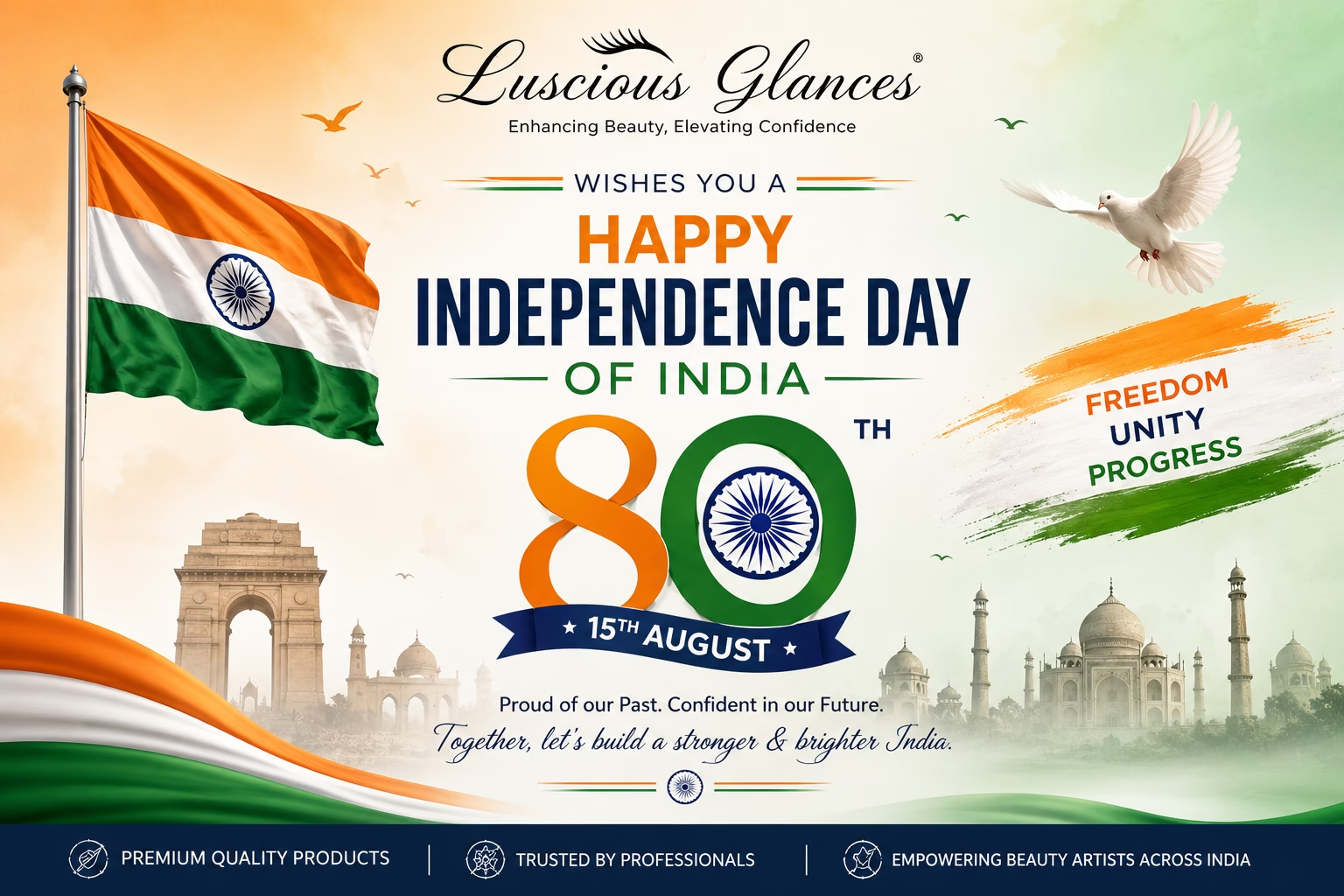
A Glimpse into India’s Independence Movement
The historical context of India’s struggle for independence is a profound narrative that spans over several decades. This journey encapsulates a plethora of events, influential figures, and deeply rooted philosophies that collectively shaped the nation’s destiny. The roots of this struggle can be traced back to the British colonial rule, which imposed widespread economic hardships and social injustices on the Indian populace. The discontent that ensued fostered an environment ripe for resistance and agitation.
Key figures emerged during this tumultuous period, each bringing forth unique ideologies that garnered support among the masses. Leaders like Mahatma Gandhi, with his principles of non-violence and civil disobedience, inspired countless individuals to mobilize against colonial oppression. Gandhi’s approach was complemented by the fervor of leaders like Jawaharlal Nehru and Sardar Vallabhbhai Patel, who advocated for political and social reforms tailored to the Indian context. The Indian National Congress, established in 1885, played an instrumental role as a platform for articulating the aspirations of the Indian people.
A myriad of movements sparked throughout India, such as the Non-Cooperation Movement, the Civil Disobedience Movement, and the Quit India Movement, which collectively galvanized widespread participation from different strata of society. These movements sought not only to dismantle colonial rule but also to unite diverse communities under a common cause—the quest for justice and self-determination. The culmination of these efforts led to the historic moment of August 15, 1947, when India finally gained independence. This day stands as a testament to the resilience of a nation that endured trials and tribulations in the quest for sovereignty.
For millions of Indians, Independence Day signifies more than just the end of colonial domination; it embodies the triumph of liberty, the hope for a prosperous future, and the unyielding spirit of unity in diversity. As the 80th Independence Day approaches, it is crucial to reflect on this journey not only to honor the sacrifices made but also to reinforce the commitment towards nurturing the values of freedom and equality that this day represents.
The Cultural Essence of Independence Day Celebrations
Independence Day in India, celebrated on August 15th, marks a significant milestone in the country’s history, symbolizing freedom from colonial rule. Across this vast and diverse nation, the celebrations reflect a rich tapestry of traditions, showcasing a blend of historical reverence and contemporary expressions of patriotism.
Flag hoisting ceremonies are the cornerstone of these celebrations. Every year, schools, colleges, government institutions, and communities across India participate in this solemn observance. The moment the national flag is raised, it fosters a collective spirit of unity and pride among the attendees, reinforcing the values of freedom and democracy. In urban areas, these ceremonies often feature not only the singing of the national anthem but also cultural performances, such as dance and drama, that pay homage to the struggle for independence.
Moreover, the role of music and dance cannot be understated. Traditional folk dances, regional musical performances, and plays depicting the fight for freedom create a vibrant atmosphere filled with enthusiasm. These performances not only celebrate the spirit of independence but also educate younger generations about the sacrifices made by freedom fighters. Schools often organize events where students participate in skits and dances, allowing them to engage with the legacy of their nation creatively.
In addition to these activities, communities come together for parades and rallies, showcasing a sense of solidarity and pride in their heritage. People often decorate their homes and streets with tricolor motifs, carry flags, and engage in singing patriotic songs, highlighting the communal spirit that Independence Day encapsulates. As families gather to celebrate, the day becomes not just a commemoration of freedom but also a moment for bonding and reflection on the nation’s journey.
Ultimately, the diverse ways in which Independence Day is celebrated across India highlight its cultural essence, encompassing both traditional rituals and modern practices. These observances unite people from all walks of life, fostering a profound sense of national pride and collective identity.
Messages of Unity and Pride: Wishes and Greetings
As the nation marks the 80th Indian Independence Day, it is a time for deep reflection and gratitude. Celebrating this glorious day brings forth a wave of heartfelt wishes and messages that resonate with the spirit of freedom. Esteemed leaders and citizens alike come together to express their pride in being part of this rich tapestry of culture and history.
From the profound words of Mahatma Gandhi, “Freedom is not worth having if it does not connote freedom to err,” to the inspiring vision of Jawaharlal Nehru, who stated, “At the dawn of history, India started on her unending quest, and trackless centuries are filled with her striving and the grandeur of her successes and her failures,” these quotes remind us of the ongoing journey and the responsibilities we hold as citizens of this free nation.
Additionally, heartfelt messages from everyday individuals serve as a testament to the unity that independence fosters. People share their sentiments, often stating how proud they are to uphold the democratic values that our forefathers fought for. “This Independence Day, let us pledge to honor the sacrifices made by those who came before us by promoting tolerance and peace in our communities,” a common sentiment echoed by many.
The essence of freedom extends beyond mere political sovereignty; it embodies the collective responsibility to nurture democracy, protect human rights, and embrace diversity. Reflections on what freedom signifies vary among different segments of society, with many expressing that true independence comes with the empowerment of each individual. On this day, messages of compassion and unity overwhelm social media platforms, inspiring countless individuals to renew their commitment to the nation.
As we celebrate this pivotal moment in history, let us remember that the bonds of unity, strengthened by our shared dreams and aspirations, are integral to the continued success of our beloved nation. Happy Independence Day to all, as we honor our past and work towards a brighter future together.
Looking Ahead: The Future of India Post-Independence
The journey of India since gaining independence has been marked by significant progress across various domains, including the economy, technology, education, and social justice. As the nation celebrates its 80th Independence Day, it becomes imperative to reflect on these advances while also contemplating the future that lies ahead. India has emerged as one of the fastest-growing economies in the world, leveraging its vast demographic dividend and increasing global engagement. However, this success is tempered with challenges that must be addressed to ensure the well-being of all citizens.
In terms of technological advancement, India stands at the forefront of innovation, with a burgeoning startup ecosystem and rapidly growing access to digital services. The government has initiated several programs aimed at promoting digital literacy and entrepreneurship, fostering a culture of innovation. Yet, disparities in access to technology, particularly in rural areas, present ongoing challenges that need to be tackled to guarantee equitable growth.
Furthermore, the field of education has witnessed substantial reforms and has made strides towards inclusivity. The focus on skill development and higher education is critical for preparing the youth for a competitive global workforce. Nevertheless, access to quality education remains uneven, necessitating a collective effort to ensure all children have the opportunity to learn and grow.
Social justice continues to be a cornerstone of India’s development, with initiatives aimed at empowering marginalized communities and ensuring equal rights for all. In this context, the role of each citizen becomes vital. As India progresses, the collective vision for future generations should encompass hope and resilience, urging every individual to actively participate in nation-building.
In conclusion, looking ahead, India must harness its strengths while addressing the multifaceted challenges it faces. Together, with shared commitment and dedication, the nation has the potential to realize a brighter future for all its citizens, transforming challenges into opportunities and ensuring that the values of freedom and unity endure for generations to come.

 luscious glances with model](https://lusciousglances.in/wp-content/uploads/2026/10/Gemini_Generated_Image_qwewisqwewisqwew-300x173.avif)