
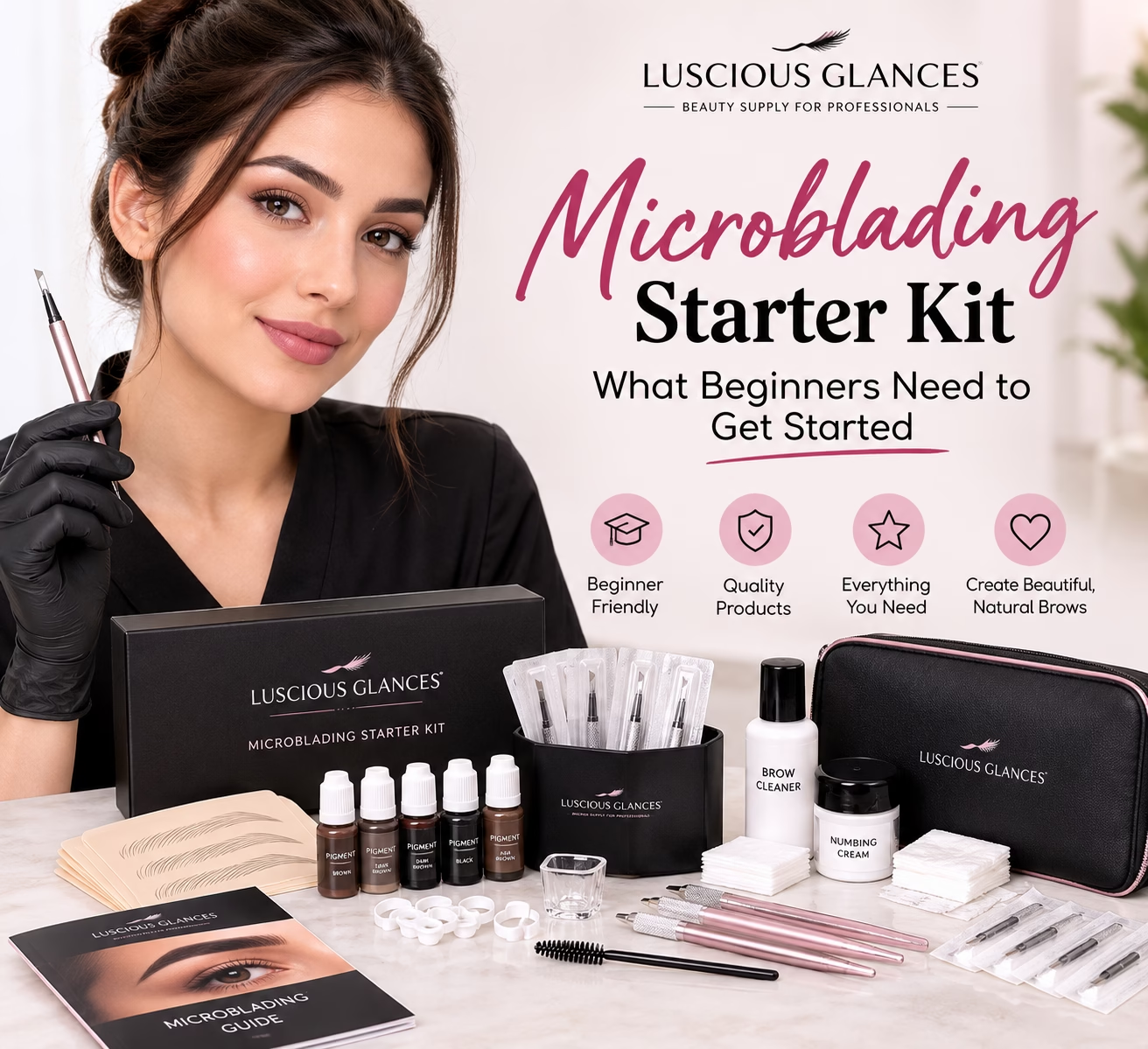
Microblading Starter Kit What Beginners Need to Get Started | Luscious Glances
Starting your journey in microblading can be exciting, especially when you have the right tools and supplies from the beginning. A good microblading starter kit for beginners can help you organize your essential products and practice the basic techniques required for creating precise, natural-looking brows.
Whether you are learning microblading for professional development, building your beauty business, or practicing your skills, choosing the right equipment is an important first step. In this guide, we explain what beginners should look for in a microblading starter kit and the essential supplies you may need.
What Is Microblading?
Microblading is a specialized cosmetic technique that creates hair-like strokes in the eyebrow area using a manual hand tool and very fine blades. The goal is to create the appearance of fuller, more defined eyebrows.
Because the procedure involves working on the skin, proper education, hygiene, sanitation, product selection, and practice are extremely important. Beginners should learn the technique from a qualified trainer and follow applicable local health and safety requirements before working on clients.
A starter kit is primarily useful for organizing the tools and materials needed for learning and practice.
Why Do Beginners Need a Microblading Starter Kit?
Buying individual products can sometimes make it difficult for beginners to know which supplies are actually necessary. A microblading starter kit brings many basic items together, making it easier to prepare for practice.
A well-planned kit can help beginners:
- Understand the basic tools used in microblading
- Practice brow mapping and symmetry
- Practice different stroke patterns
- Learn how different pigments and tools work
- Keep essential supplies organized
- Prepare for professional training
- Reduce the need to purchase every item separately
However, a starter kit should not be considered a replacement for professional training. Proper instruction and supervised practice are essential before performing procedures on real clients.
Essential Items in a Microblading Starter Kit
The exact contents of a starter kit can vary depending on the learner’s requirements. However, beginners commonly look for several important categories of supplies.
1. Microblading Pen or Manual Hand Tool
A microblading pen or manual hand tool is one of the primary tools used to create hair-like strokes.
For beginners, the tool should be comfortable to hold and easy to control. Good control is important because microblading requires precise hand movements.
When choosing a tool, consider:
- Comfortable grip
- Good balance
- Easy handling
- Compatibility with appropriate blades
- Suitable construction for professional practice
Beginners should spend time practicing their hand movement before attempting detailed brow patterns.
2. Microblading Blades
Blades are another essential component of microblading equipment. Different blade configurations can be used for different stroke techniques and working styles.
Beginners should learn about blade configurations during professional training rather than choosing blades solely based on appearance or popularity.
Important considerations include:
- Blade configuration
- Stroke requirements
- Quality and consistency
- Packaging and sterility where applicable
- Compatibility with the hand tool
For procedures involving skin penetration, use appropriate sterile, single-use equipment according to applicable safety regulations and manufacturer instructions.
3. Microblading Practice Skin
Practice skin is extremely useful for beginners.
Before working on a client, learners can use synthetic practice skins to develop their hand control and understand how different strokes appear.
Practice can include:
- Straight strokes
- Curved strokes
- Hair-like patterns
- Brow outlines
- Basic brow mapping
- Stroke spacing
- Symmetry practice
Regular practice can help beginners become more comfortable with their tools before progressing to supervised practical training.
4. Brow Mapping Tools
Brow mapping is an important part of creating balanced eyebrow designs. Mapping tools can help beginners understand brow proportions and practice creating symmetrical brow shapes.
A beginner’s microblading kit may include products such as:
- Brow mapping rulers
- Mapping pencils
- Measuring tools
- String
- Calipers
- Mapping markers
Learning proper brow mapping techniques can help improve consistency and precision.
5. Microblading Marker Pen
A suitable marker pen can be used for mapping and marking the eyebrow design during practice and, where appropriate, professional procedures.
Beginners should understand the difference between products intended for practice and products suitable for professional use. Always follow the manufacturer’s instructions and applicable hygiene requirements.
6. Pigments
Pigments are used to create the desired brow color. Choosing an appropriate pigment requires an understanding of skin tone, undertone, brow color, desired result, and the characteristics of the specific pigment system.
Beginners should not simply choose a pigment based on its color name.
During professional training, students should learn about:
- Skin undertones
- Color theory
- Warm and cool tones
- Pigment selection
- Color correction
- Healing and color changes
- Pigment retention
It is also important to use pigments from reputable manufacturers and follow their storage and usage instructions.
7. Pigment Mixing Supplies
Some techniques may require pigment mixing or adjustment. Suitable pigment cups and mixing tools can make preparation more organized.
A starter setup may include:
- Pigment cups
- Mixing sticks
- Pigment mixer where appropriate
- Disposable accessories
Keep all products organized and follow strict hygiene procedures.
8. Disposable Supplies
Disposable supplies are an important part of maintaining a clean working environment.
Depending on the training or professional setup, beginners may need items such as:
- Disposable gloves
- Disposable pigment cups
- Cotton swabs
- Microbrushes
- Disposable applicators
- Protective coverings
- Surface barriers
- Waste disposal supplies
For procedures involving blood or body fluids, follow applicable infection-control requirements and dispose of contaminated materials correctly.
Hygiene and Sanitation Supplies
Hygiene should be treated as a fundamental part of microblading—not an optional extra.
Because microblading involves breaking the skin, appropriate infection prevention practices are essential.
A professional setup may require:
- Disposable gloves
- Appropriate surface disinfectant
- Hand hygiene supplies
- Disposable barriers
- Sterile, single-use needles or blades
- Sharps disposal container
- Appropriate clinical waste disposal
- Clean working surfaces
Beginners should receive proper infection-control training and understand local regulations before performing procedures.
How to Choose the Right Microblading Starter Kit
There are many starter kits available, but beginners should not choose one based only on the number of items included.
Consider the following factors.
Product Quality
Quality should be one of the first considerations. Tools should be suitable for their intended purpose and manufactured according to appropriate standards.
Complete Essentials
A good beginner kit should contain useful essentials rather than unnecessary products simply to increase the item count.
Practice Materials
If you are just learning, practice materials can be particularly valuable. Practice skins allow you to develop hand control without immediately working on a client.
Professional Training
A kit should complement your training rather than replace it. Make sure you understand how each item is intended to be used before attempting a procedure.
Hygiene
Check whether disposable and hygiene-related supplies are included and whether additional items will be required.
Storage
Pigments and other supplies may have specific storage requirements. Always check manufacturer instructions regarding temperature, sunlight, contamination, and expiration.
Microblading Starter Kit for Beginners Checklist
Before purchasing your first kit, create a checklist.
Basic Tools
- Microblading hand tool
- Appropriate blades
- Brow mapping ruler
- Mapping pencil or marker
- Practice skin
- Pigment cups
- Mixing accessories
Hygiene Supplies
- Disposable gloves
- Surface protection
- Appropriate disinfectant
- Hand hygiene products
- Sharps disposal container
- Suitable waste-disposal supplies
Practice Supplies
- Synthetic practice skin
- Practice sheets
- Mapping tools
- Disposable applicators
- Cotton swabs
- Microbrushes
Pigment Supplies
- Appropriate pigments
- Pigment cups
- Mixing tools
- Pigment storage supplies
The exact requirements will depend on your training program, technique, local regulations, and professional setup.
How Beginners Can Practice Microblading
Practice is one of the most important parts of learning microblading.
Start with simple exercises rather than immediately trying to recreate a complete eyebrow.
Step 1: Practice Your Grip
Learn how to hold the hand tool comfortably. Your grip should provide control without excessive tension.
Step 2: Practice Straight Strokes
Begin by creating consistent straight strokes on practice skin. Focus on maintaining similar pressure and spacing.
Step 3: Practice Curved Strokes
Once you are comfortable with straight lines, begin practicing gentle curves.
Step 4: Practice Hair Patterns
Study natural eyebrow hair direction and practice creating patterns that follow realistic growth directions.
Step 5: Practice Brow Mapping
Practice measuring and designing symmetrical brow shapes before adding strokes.
Step 6: Build Consistency
Repeat the exercises regularly. Consistency is more important than trying to work quickly.
Common Mistakes Beginners Should Avoid
New microblading learners can make mistakes when they focus too much on speed or the final appearance instead of technique and safety.
Choosing a Kit Only Because It Is Cheap
The cheapest kit is not necessarily the most suitable option. Consider product quality, usability, safety, and the reputation of the supplier.
Skipping Training
Watching videos alone may not provide enough practical knowledge to safely perform a cosmetic procedure.
Professional education and supervised practice can help beginners understand technique, hygiene, client assessment, and aftercare.
Practicing Directly on Clients
Beginners should build their skills through appropriate training and practice before performing procedures on clients.
Ignoring Hygiene
Cross-contamination can create serious risks. Hygiene procedures should be understood and followed consistently.
Using Poor-Quality Blades
Precision work requires suitable equipment. Always use appropriate, quality-controlled products from reliable sources.
Ignoring Product Instructions
Pigments, disinfectants, tools, and other products can have specific instructions. Always follow the manufacturer’s recommendations.
Microblading Starter Kit vs Buying Products Separately
Beginners often wonder whether they should purchase a complete kit or buy each item individually.
A starter kit can be convenient because it brings several essential products together. It can also make it easier for a beginner to identify the basic supplies required for practice.
Buying products individually, however, can provide more flexibility. Experienced professionals may prefer selecting specific brands, tools, pigments, and accessories according to their technique and preferences.
For someone who is just beginning, a carefully selected starter kit can be a convenient starting point.
Who Can Benefit From a Microblading Starter Kit?
A starter kit may be useful for:
- Beauty professionals learning microblading
- Beginners attending microblading courses
- Beauty students
- Brow artists developing their skills
- Salon professionals adding brow services