Understanding Hair Extensions: Types and Materials
Hair extensions have become an increasingly popular choice for those looking to enhance their hairstyles. It is essential to understand the various types and materials available to make an informed decision that complements your personal style and hair care routine. Among the most common types of hair extensions are clip-in, tape-in, sew-in, and fusion extensions. Each type has unique characteristics, making them suitable for different needs.
Clip-in extensions are ideal for those seeking a temporary change. They come in various lengths and volumes, allowing users to achieve a fuller mane without commitment. Tape-in extensions, on the other hand, are semi-permanent, utilizing a special adhesive to attach the extension to natural hair, making them easy to apply and remove. Sew-in extensions involve braiding the natural hair and stitching the extensions onto the braid, making them a durable option for longer wear. Fusion extensions involve bonding keratin-tipped extensions directly to natural hair, offering a seamless and natural look.
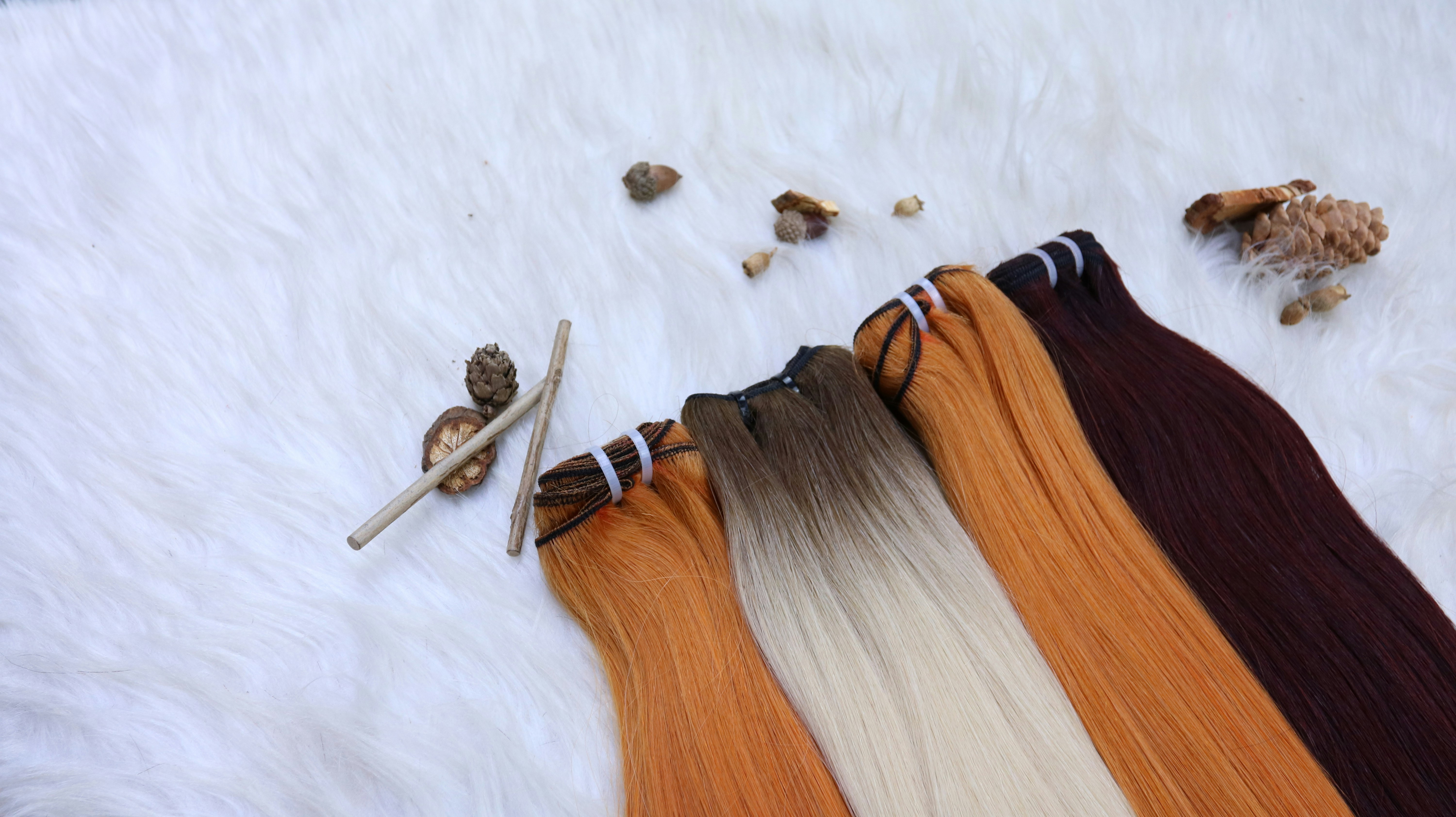
In addition to types, the materials used in hair extensions play a critical role in their functionality and appearance. Hair extensions are typically categorized into human hair and synthetic hair. Human hair extensions are made from real hair, allowing for a more natural look and the ability to style them just like one’s own hair. They often come with the advantage of lasting longer than synthetic options, but they can also be more costly. Conversely, synthetic hair extensions are made from artificial fibers which can mimic the look of natural hair but often cannot withstand heat styling tools. These extensions are more affordable and available in a wide range of colors, making them accessible for various styling preferences.
In summarizing the various types and materials of hair extensions, potential users can better determine which options align with their lifestyle and desired results. Understanding these differences is vital for selecting extensions that enhance both comfort and personal style.
How to Choose the Right Hair Extensions for Your Hair Type
When selecting hair extensions, it is crucial to consider various factors that align with your natural hair characteristics. The primary aspects to evaluate include hair texture, thickness, and color. Each of these elements plays an essential role in ensuring that the extensions blend seamlessly with your own hair, thereby achieving a natural appearance.
Firstly, assess your hair texture. Hair can be categorized as straight, wavy, or curly. Understanding your natural texture will help you determine the type of extensions that will adhere well and blend in without creating an unnatural look. For instance, if you have wavy hair, opting for extensions that feature a similar wave pattern will ensure a more cohesive result.
Next, consider the thickness of your hair. If you have fine hair, it is advisable to choose lighter extensions, as heavier ones can weigh down your natural strands. Conversely, individuals with thicker hair may find that they can support thicker extensions, allowing for more versatile styling options.
Color matching is also a significant step in choosing hair extensions. It is essential to select a color that closely resembles or complements your natural shade. Many extension brands provide swatches or sample strands, enabling you to find the right blend. Additionally, techniques like ombre or balayage can lend a natural look to the extensions if you desire a more stylish appearance.
Furthermore, consulting a professional stylist can provide invaluable insights tailored to your specific hair type. A stylist’s expertise can guide you in selecting the best extensions that not only suit your hair type but also enhance your overall look.
Application and Maintenance of Hair Extensions
When considering hair extensions, understanding the various application methods is crucial for achieving the desired look while ensuring the health of your natural hair. Hair extensions can be applied using several methods, including tape-in, clip-in, sew-in, and fusion techniques. Tape-in and clip-in extensions are popular for their ease of application, making them suitable for a DIY approach. They can be attached and removed without professional assistance, which provides flexibility for individuals who wish to change their hairstyle frequently. Conversely, sew-in and fusion extensions often require a professional’s touch to ensure they are attached securely and safely, minimizing any potential damage to natural hair.
In addition to application techniques, maintenance is vital for maintaining the appearance and longevity of hair extensions. Regular washing is essential; however, it is important to use sulfate-free shampoos and conditioners that are specifically designed for extensions to avoid drying them out. Conditioning the extensions deeply at least once a week will help keep them soft and manageable. When styling, using low heat settings and heat protectants can help mitigate damage and prolong the lifespan of the hair extensions.
The lifespan of hair extensions varies based on the type and the care they receive. Clip-in extensions can last anywhere from six months to a year with proper maintenance, while tape-in and sew-in extensions may last up to three months before they require reapplication, depending on hair growth. Ultimately, investing time in proper maintenance routines, including regular brushing, washing, and protective styling, will enhance the overall appearance and longevity of your hair extensions, ensuring they continue to look fresh and natural over time.
Troubleshooting Common Issues and Myths about Hair Extensions
Hair extensions have become a popular choice for individuals looking to enhance their hairstyles. However, several myths and common issues often surround their use, which can lead to misunderstandings and negative experiences. One predominant myth is the notion that hair extensions damage natural hair. While improper installation and care can lead to breakage, when applied and maintained correctly, extensions should not harm the natural hair. It is imperative to consult with a professional stylist who specializes in hair extensions, ensuring the right type and method is chosen for your specific hair type.
Another common misconception is that hair extensions are suitable for everyone. The truth is that various factors, such as hair texture, thickness, and health, influence whether extensions can be effectively worn. Consulting with a stylist will help determine personalized recommendations based on individual hair characteristics.
Beginners may encounter issues such as tangling, shedding, and discomfort with their extensions. To address tangling, it is essential to use a wide-tooth comb and avoid brushing the hair when it is wet. Regular maintenance, including using appropriate hair products, can also significantly reduce tangling. Shedding can occur, particularly with lower-quality extensions or improper care; always choose high-quality extensions and follow care instructions meticulously to minimize shedding. For discomfort, evaluate the installation method. Some techniques, if overly tight, can lead to discomfort. A stylist can assist in adjusting this to ensure a comfortable fit.
By understanding these common myths and troubleshooting solutions, individuals can enjoy a positive and confident experience with their hair extensions. Knowledge empowers users to make informed decisions about their hair care, leading to beautifully maintained extensions that enhance their look.